Shopping Cart


Right of withdrawal
You have 14 calendar days to withdraw from your purchase, with no need to give a reason. More information
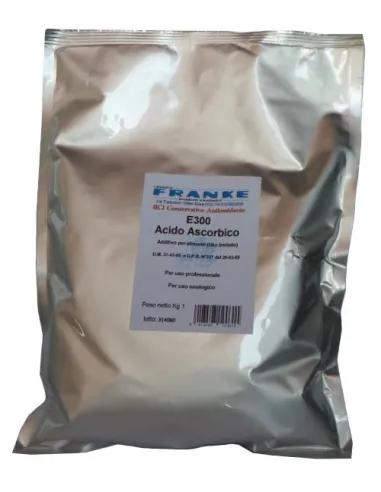
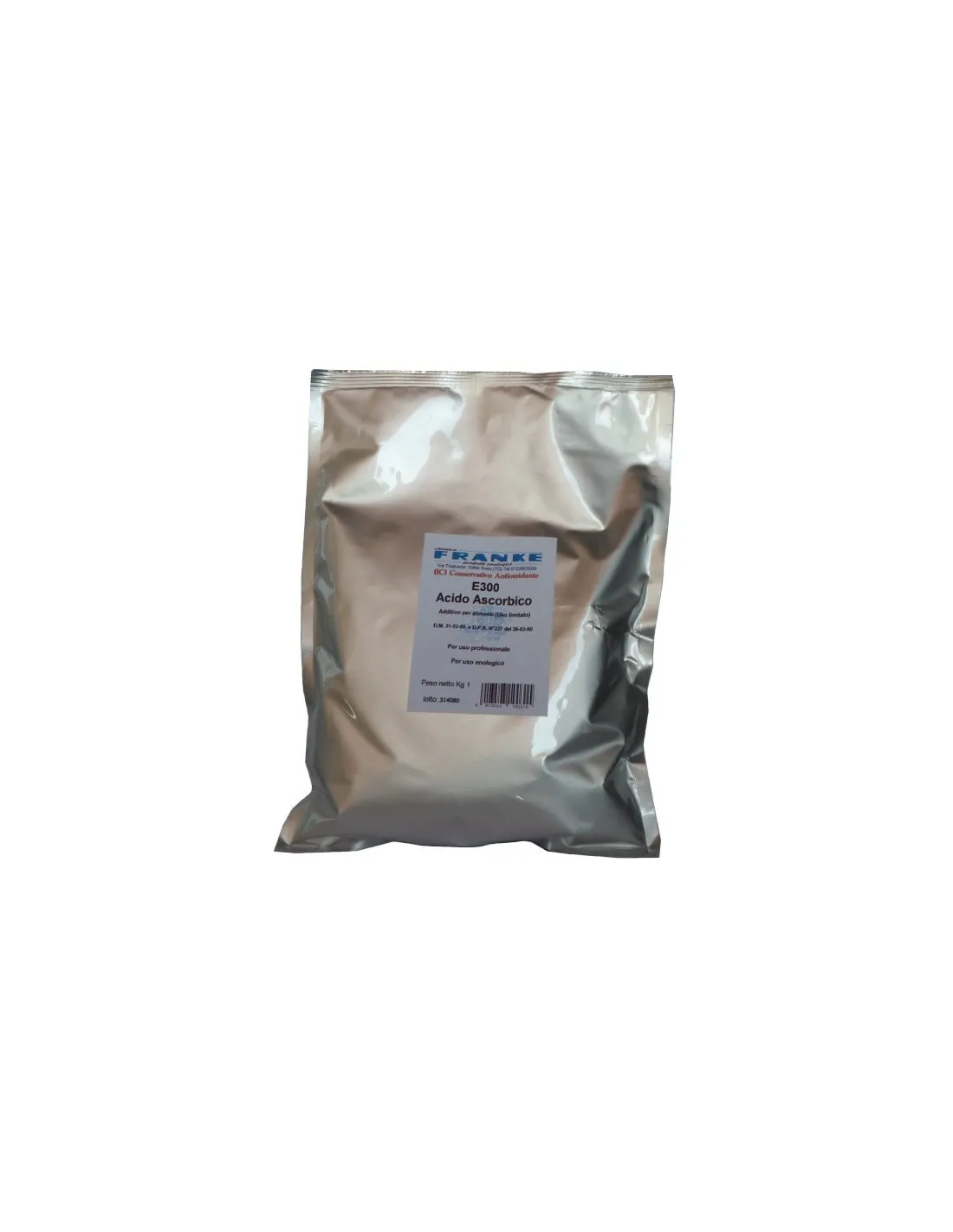
Ascorbic Acid is a food additive used in oenology as an antioxidant thanks to its excellent preservative properties. It is simply vitamin C, appearing as an odourless, crystalline powder that is highly soluble. In addition to its antioxidant properties, it is also highly effective as an acidity corrector in foods.
The product stands out for its wide range of uses. Chief among these - as already noted - is as a wine antioxidant.
Dosage of L-ascorbic acid in wine as a preservative
Using L-ascorbic acid at 5 to 15 g/hL ensures optimal wine preservation by preventing oxidation. It can be added to musts or wines with low acidity to increase fixed acidity.
Ascorbic Acid E300: common uses
The additive is also used in aquariums for routine maintenance such as cleaning, and is an excellent descaler and acidifier. It is also used as a fabric softener and sanitiser for laundry and as a descaler for washing machines.
L-ascorbic acid (E300) is widely used as a food supplement with neutral pH. It is a water-soluble vitamin, making it easy to take once dissolved in water. Daily intake of vitamin C within the legal maximum protects against oxidation, slows cellular ageing and helps strengthen the immune system, increasing resistance to viral attacks and to certain carcinogenic substances by acting as an inhibitor. Ascorbic acid also promotes wound healing, supports the treatment of anaemia and is involved in the metabolism of iron, tyrosine, carnitine and collagen.
Finally, it counteracts free radicals in blood vessels, protecting the cardiovascular system, bones, cartilage, gums and teeth.
03010107
7 Items
8013503100315
3 Reviews
Prodotto buono...E buona qualità prezzo
Qualità prezzo .molto buono
Ottimo prodotto qualità prezzo
Tap to zoom